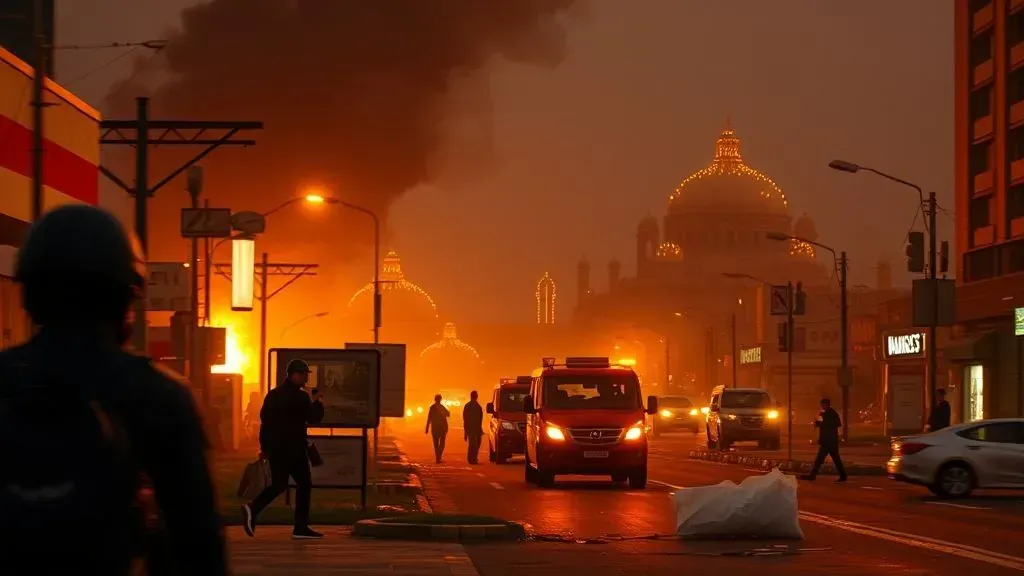
Lebanese authorities report an Israeli airstrike claimed 12 medical workers in southern Lebanon late Friday. This event occurs as regional tensions escalate with broader involvement.
The victims worked at a primary healthcare facility serving local needs. Preliminary counts include one additional injury with searches ongoing.
Incident Overview
The strike targeted Burj Qalaouiyah in the Bint Jbeil District. Officials describe it as the second health sector hit within hours.
A prior action in nearby Sawaneh affected affiliated paramedics according to local accounts. Total Lebanon conflict deaths since early March exceed 770 per ministry data.
Regulatory Implications
International humanitarian standards require clear safeguards for medical personnel during active conflicts. This case prompts fresh examination of enforcement mechanisms in 2026.
Analysts note patterns where healthcare infrastructure faces repeated pressure across zones. compliance trends reveal gaps in real-time application of core protections.
Protection Challenges for Medics
Rules under global frameworks aim to shield non-combatants including doctors and nurses. Observers track how strikes test these boundaries in Lebanon operations.
Diverse reports emphasize the need for verified targeting protocols to avoid civilian medical losses.
According to Lebanese public health statements the ministry condemns ongoing violence against workers as inconsistent with accepted laws.
Broader Conflict Context
Fighting between involved parties reignited in March following wider regional actions. Hezbollah representatives describe the situation as requiring sustained readiness.
No immediate military explanation emerged for the specific health center action from available updates.
This development echoes earlier patterns seen in related theaters raising consistency questions.
Public reactions on platforms capture immediate concerns over civilian impacts.
Trends in 2026 Conflict regulation
Long-tail analysis of medic protection regulations shows increased scrutiny in Middle East zones this year. Stakeholders monitor adherence amid multi-party engagements.
Reports from multiple outlets including regional monitors highlight the second health incident same day.
Experts call for stronger verification processes to align actions with established humanitarian guidelines.
Social discussions reflect calls for accountability tied to international standards.
Relevance and Next Steps
This strike illustrates ongoing tests for war regulations protecting essential services in 2026. Neutral tracking of developments aids informed understanding of compliance dynamics.
Readers benefit from cross-referencing primary ministry updates and independent monitors for evolving details.
Stay updated via verified international sources to assess regulation effectiveness in active theaters.
Full disclaimer: This educational overview relies solely on publicly reported facts from diverse outlets as of March 14 2026. It offers neutral analysis without endorsing positions and encourages direct source verification for accuracy.