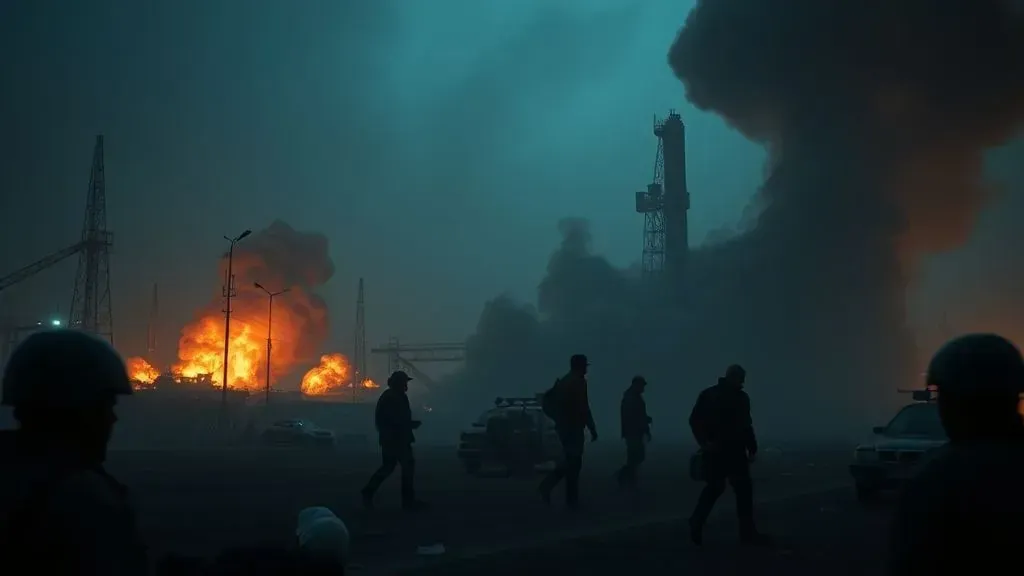
As Iranian retaliation strikes ripple across the Gulf in March 2026, Qatar has confirmed internal stability. The interior minister’s statement offers a clear benchmark for regional confidence.
Over 600 sites reported missile fragments, yet early warning systems proved effective. Food reserves last 18 months and water supplies several months.
Qatar’s Official Response to Regional Conflict
Sheikh Khalifa bin Hamad addressed the public directly. “The security situation in the country is stable, and we will not hesitate to take any measure that ensures the stability of our nation,” he stated in a Qatar Television interview.
The government outlined contingency plans for further threats. Authorities monitor developments around the clock.
According to Al Jazeera reporting, these measures include robust interception protocols. The UN Security Council recently condemned related attacks on Gulf states.
Broader Security and Economic Context
Energy infrastructure faces pressure from Hormuz disruptions and strikes. Yet Qatar maintains operational continuity in key sectors.
Bloomberg analysts note the conflict prompts a fresh evaluation of Gulf finance hub stability premiums. This dynamic affects investor sentiment across the Middle East.
Qatar’s ambassador to the UN described Iranian actions as violations of international law. Such diplomatic clarity supports domestic focus on security.
regulation Resilience in Volatile Times
Qatar’s Qatar Financial Centre advances its 2024 Digital Assets Framework. This structure enables licensed token service providers for investment tokens while excluding traditional cryptocurrencies.
Licensing applications rose 44 percent at Web Summit Qatar 2026, per QFC data. The surge reflects sustained demand for blockchain and fintech innovation.
The framework demands strict custody, transfer, and compliance standards. These align with global best practices for security.
Chainalysis reports highlight crypto outflows and sanctions evasion spikes in conflict zones like Iran. Qatar’s stable environment contrasts by prioritizing regulated tokenization over unregulated activity.
Implications for DeFi and Crypto Security
Stable national security bolsters enforcement of regulation. Tokenized assets gain traction when governance remains predictable.
PwC’s Global Crypto regulation Report 2026 positions Qatar’s investment token rules as operational. This supports innovation without compromising oversight.
Investors value the QFC’s partnerships, including with the Global Blockchain Business Council. Such ties enhance regulatory perspectives on emerging technologies.
Geopolitical risks persist, yet Qatar’s measures mitigate immediate threats to digital infrastructure. This aids DeFi participants seeking secure Middle East exposure.
Actionable Insights for 2026 Stakeholders
Web3 operators should track QFC licensing updates closely. Token service provider requirements emphasize operational resilience.
Portfolio managers weigh stability premiums when allocating to regulated Gulf hubs. Contrast this with higher volatility in less secure jurisdictions.
Regulatory continuity encourages custody and exchange services under licensed entities. Always verify compliance with excluded token rules.
Relevance Summary
Qatar’s affirmed security amid the Iran war reinforces its position as a steady hub for regulation and tokenized assets in 2026. The minister’s clarity reduces uncertainty for crypto and DeFi strategies.
Stay informed via official QFC and government channels. Assess exposure to regional risks before engaging.
This educational analysis draws solely from verified sources including Al Jazeera, QFC announcements, Bloomberg, Chainalysis, and PwC reports. It does not constitute financial, investment, or legal advice. Cryptocurrency and activities involve significant risks including market volatility, regulatory shifts, and security threats. Conduct independent due diligence and consult qualified professionals.