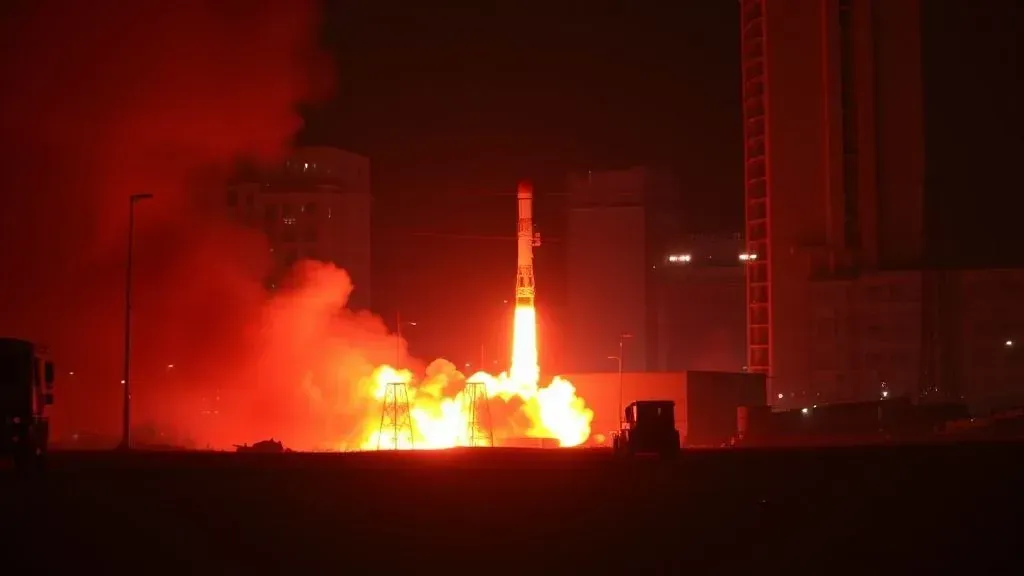
Global oil prices have jumped over 25% since the Iran conflict began, with Murban crude now trading above $103 per barrel. This acute supply disruption signals potential stagflation risks that could reshape cryptocurrency markets in 2026.
According to Goldman Sachs, oil prices are likely to exceed $100 per barrel next week if disruptions in the Strait of Hormuz persist. This forecast highlights the vulnerability of energy supplies.
Barclays analysts note that Brent crude could test $120 per barrel if Middle East tensions continue. Such levels would amplify market volatility.
Oil market Dynamics in 2026
The war involving the US, Israel, and Iran has halted most traffic through the Strait of Hormuz, a critical chokepoint for 20% of global oil flows. This has driven West Texas Intermediate above $90 for the first time since 2024.
Qatar's energy minister warned that prolonged conflict could push oil to $150 per barrel within weeks. Refined products face even steeper premiums.
Supply fears have led to the largest weekly oil price gain on record, per the American Automobile Association data. National average gasoline prices hit $3.41 per gallon, up 43 cents in a week.
Strategic reserves may provide temporary relief, but rerouting shipments adds costs and delays. Bernstein raised its 2026 Brent forecast to $80 per barrel, with upside risks to $120-$150 in a drawn-out scenario.
Geopolitical Factors Driving Prices
Iran's retaliatory strikes on US bases and Gulf states have escalated risks to production facilities. Kuwait and Iraq have partially shut operations, tightening global inventories.
OPEC+ spare capacity is lower than in prior crises, limiting buffers against disruptions. Slower US shale growth exacerbates the shortfall.
Analysts at Standard Chartered now project Brent at $74 per barrel for Q1 2026, up from $62, citing asymmetric upside if the conflict spreads. This reflects broader adoption of cautious hedging in energy markets.
Economic Ripple Effects
Higher oil prices feed directly into inflation, with estimates showing a $115-$130 barrel range boosting CPI by 1.1%-1.5%. This could delay Federal Reserve rate cuts into 2027.
Rising Treasury yields, now around 4.135%, tighten liquidity conditions. Central banks signal unease about resurgent price pressures in critical sectors like transportation and manufacturing.
Stock markets have erased 2026 gains, with the S&P 500 under pressure from risk-off sentiment. Commodities like gold surge as safe havens, while equities in technology and web3 face headwinds.
In finance, higher energy costs strain funding rounds for startups in defi and nfts. Cefi institutions may see increased scrutiny amid market instability.
Inflation and Global Trade Pressures
Japan, reliant on imports for 90% of its energy, faces yen depreciation and import inflation. This could accelerate shifts toward non-USD settlements in web3 protocols.
Emerging markets feel the pinch from stronger dollars and commodity swings. Security concerns in supply chains prompt diversification strategies.
bitcoin's Response to Oil Shocks
bitcoin dipped below $70,000 as oil surged, reflecting broader risk asset retreats. Higher energy prices raise mining costs, potentially impacting network technology and security.
Yet, some analysts view bitcoin as a hedge. Arthur Hayes predicts $250,000 by end-2026 if the Fed resumes quantitative easing amid conflict. This aligns with adoption trends in uncertain markets.
Inflation fears from oil could strengthen bitcoin's digital gold narrative, especially if prices hit $130 per barrel and trigger decoupling from stocks. On-chain data shows whale accumulation despite volatility.
In defi, protocols may see rotations as users seek yields insulated from energy-linked inflation. Web3 projects in metaverse and nfts could face funding squeezes but benefit from long-term technology advancements.
Historical Context and market Trends
Past oil shocks, like 2022's $130 peak, crushed risk assets initially but led to recoveries. bitcoin's correlation with stocks surges in such periods, per Bloomberg data.
Extreme fear in sentiment indices suggests potential capitulation buys. ETF inflows, like BlackRock's $264 million, provide counterbalance.
Social media buzz highlights stagflation risks, with users positioning long on bitcoin amid oil calls. This reflects community adoption of crypto as a geopolitical hedge.
Potential Scenarios for Crypto
In a base case of contained conflict, oil stabilizes at $90-$100, allowing bitcoin to rebound mid-month. Bull scenarios with quick de-escalation could spark 10-20% gains.
Bear cases of prolonged disruption push oil over $120, risking 20-30% crypto corrections. Altcoins in nfts and metaverse may underperform bitcoin's dominance.
regulation could tighten if volatility spills into cefi, but technology innovations in efficient mining offer security buffers.
Funding for defi projects might slow, yet web3's decentralized nature provides resilience against centralized energy dependencies.
Strategic Considerations for Investors
Monitor DXY strength and VIX spikes for liquidity signals. Oversold RSIs indicate accumulation opportunities in bitcoin.
Diversify into assets with low correlation to oil, leveraging 2026 trends in adoption and technology.
In summary, while oil over $100 barrels pressures bitcoin short-term through inflation and liquidity risks, it may accelerate its role as a hedge in 2026. Stay vigilant on geopolitical updates and consider positioning for volatility. For more insights on oil prices bitcoin impact 2026, follow reliable sources and analyze trends.
Disclaimer: This article is for educational purposes only and not financial advice. Cryptocurrency investments involve high risk; consult professionals before acting. All data based on verifiable sources as of March 2026.