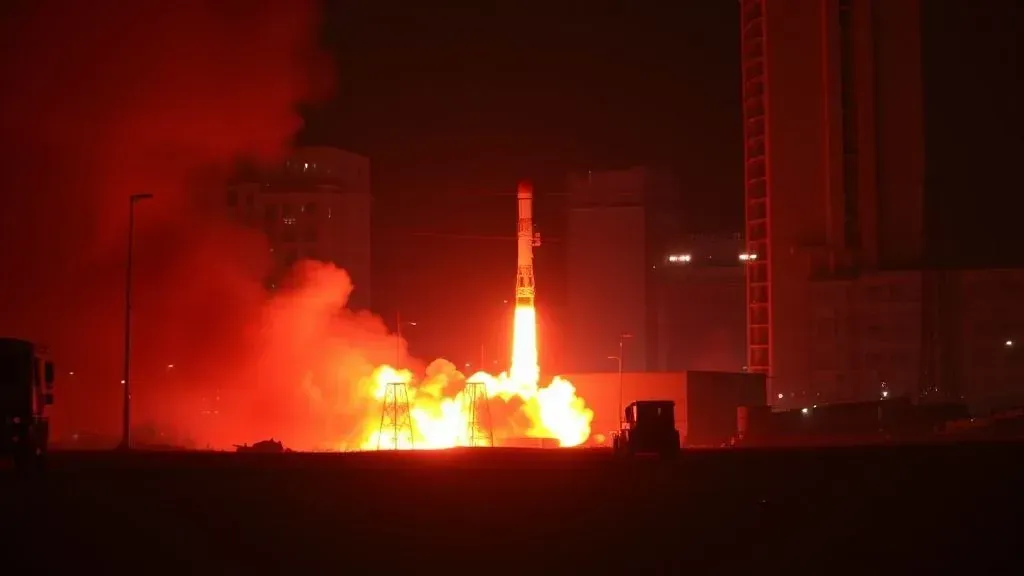
Oil prices surged 13 percent as Israeli strikes hit Beirut, underscoring economic risks in the widening Middle East conflict. This volatility draws attention to cryptocurrency's role in global finance.
Crypto markets react swiftly to geopolitical unrest, with Bitcoin experiencing short-term dips followed by recoveries.
Analysts note Bitcoin's shift to a macroeconomic hedge amid escalating risks.
Geopolitical Context
Israel launched airstrikes on Beirut's southern suburbs after Hezbollah's rocket attacks, avenging the death of Iran's supreme leader. Threats target Iranian officials in Lebanon, expanding the US-Israeli war with Iran.
Hezbollah entered the fray on March 2, 2026, firing missiles into Israel, prompting widespread retaliatory strikes.
Lebanon's health ministry reports 72 deaths and 437 injuries from Israeli actions since escalation began.
Market Reactions and Crypto Volatility
Global markets face chaos, with oil futures spiking on infrastructure fears and equities selling off regionally.
Bitcoin surges as a hedge, indifferent to traditional asset vulnerabilities in conflict zones.
The US-Iran conflict proves Bitcoin acts as a risk asset short-term but offers hedging in the medium to long term, per Binance analysis.
Crypto's 24/7 trading turns into an emergency hedge during Middle East tensions.
Regulatory Implications in 2026
Geopolitical tensions in the Middle East drive scrutiny on crypto regulations amid sanctions concerns.
Governments monitor crypto's use in conflict areas, potentially tightening rules on DeFi platforms.
Iran's crypto activity processed billions in 2025, tied to state operations, heightening regulatory focus.
BRICS nations advance CBDC bridges, bypassing traditional systems and influencing global crypto standards.
US clarity legislation for crypto may pass soon, impacted by big bank interests and stablecoin rules.
Expert Insights and Trends
Chris Perkins states geopolitical tensions drive oil prices while Bitcoin shows resilience, with pending regulatory clarity.
Analysts project Bitcoin reaching $110,000 to $150,000 if macro trends persist, despite volatility from geopolitical shocks.
Iran's Revolutionary Guard threats on shipping routes raise structural macro stakes for crypto markets.
High-Engagement Perspectives from X
Recent X posts highlight real-time reactions to the strikes and their crypto ties.
This Al Jazeera post details strikes hitting Beirut as Israel's deadline for Iranian officials expires.
Trading Cartel notes cataclysmic strikes on Tehran, with Bitcoin surging as a neutral hedge amid market chaos.
Funding and DeFi Considerations
Conflict disrupts funding rounds in crypto, as investors prioritize stability amid 2026 Middle East tensions.
DeFi protocols face increased regulatory oversight for potential sanctions evasion in regions like Iran and Lebanon.
Airdrop tracking becomes crucial, with projects adapting to geopolitical risks affecting distribution.
Future Outlook for Crypto Regulations
Escalating conflicts may accelerate international crypto frameworks, focusing on anti-money laundering measures.
Nations like El Salvador diversify reserves with Bitcoin, countering fiat instability in tense regions.
Prolonged unrest could reshape risk narratives, positioning crypto as essential for financial neutrality in 2026.
The Middle East crisis highlights crypto's dual role in volatility and hedging, urging tighter regulations to mitigate risks. Stay updated on DeFi developments and consult professionals for investment decisions. Disclaimer: This article provides educational information based on verifiable sources and does not constitute financial advice; readers should conduct their own research and consider personal circumstances before engaging in crypto activities.