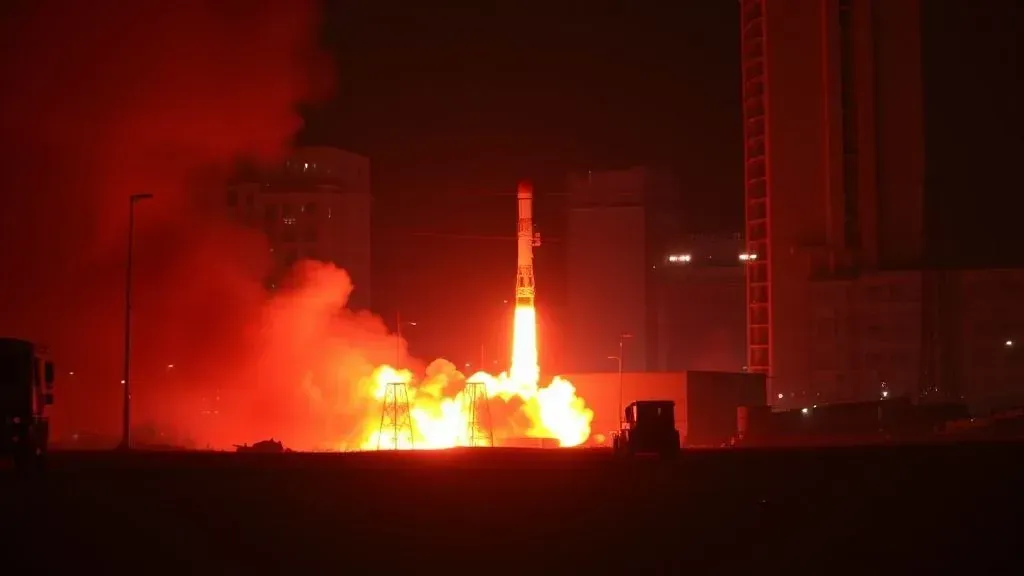
Oil prices surged past $100 per barrel as Middle East tensions hit new highs on April 7 2026.
This spike underscores supply risks from the ongoing US-Israel-Iran conflict that began February 28.
Israel's Direct Warning to Iranian Civilians
The Israel Defense Forces issued a Farsi-language alert via social media.
It advised citizens to refrain from trains and railway lines until 21:00 local time or risk their lives.
According to CNN and The New York Times reports the advisory clearly signals planned infrastructure strikes.
This precedes broader escalation as Trump's deadline approaches.
Context of Trump's Critical Deadline
President Trump demands Iran reopen the Strait of Hormuz which handles one-fifth of global oil.
Noncompliance risks strikes on power plants bridges and now railways.
Trump stated he holds no concerns over war crime claims tied to civilian infrastructure targets.
Bloomberg analysts highlight how such rhetoric drives energy market volatility affecting crypto mining costs.
Crypto Markets Navigate the Rail Threat
Bitcoin held near $68,000 despite the warning showing partial resilience as a hedge.
Ethereum mirrored modest gains on ceasefire speculation reports.
Total crypto market cap climbed 2 percent to $2.44 trillion in early trading per TradingView data.
This reaction echoes prior 2026 patterns where de-escalation hopes lift risk assets.
Oil-Crypto Correlation in 2026
Brent crude volatility directly influences inflation expectations and Federal Reserve rate paths.
Higher energy costs delay liquidity boosts that favor DeFi yields and airdrop farming.
When oil spikes crypto often sees short-term dips before rebounding as investors seek alternatives to traditional finance.
Web3 protocols tied to real-world assets in energy sectors face amplified exposure.
DeFi and Web3 Ecosystem Implications
Geopolitical shocks strain liquidity pools in decentralized exchanges handling oil-linked tokens.
Yield farmers in 2026 must adjust positions amid rapid price swings from Hormuz disruptions.
Iranian crypto activity for sanctions bypass adds compliance risks for global DeFi platforms.
Analysts note increased blockchain analytics scrutiny on cross-border flows during conflicts.
Broader Web3 Trends Amid Escalation
Bitcoin's safe-haven narrative gains traction in uncertain times yet proves volatile short-term.
Ethereum layer-2 solutions see trading volume spikes as users hedge via stablecoin pairs.
Airdrop hunters in DeFi projects track macro events closely since volatility boosts farming opportunities.
Long-tail 2026 terms like geopolitical crypto hedging enter investor lexicons.
Actionable Insights for Crypto Participants
Diversify across Bitcoin Ethereum and low-correlation DeFi assets to buffer oil-driven swings.
Monitor real-time energy data alongside on-chain metrics for timely portfolio rebalancing.
Use decentralized tools for transparency during centralized market stress from global events.
This approach builds resilience in Web3 amid persistent 2026 tensions.
In summary the Israel rail warning before Trump's deadline highlights crypto's dual role in volatility and hedging.
Web3 stakeholders gain by staying analytical and prepared for macro shifts.
Track verified sources daily and adjust strategies proactively.
This content provides educational analysis based solely on public reports as of April 7 2026. It does not constitute financial investment or trading advice. Crypto markets carry high risk. Conduct independent research and consult qualified professionals before any decisions. Conditions evolve rapidly.