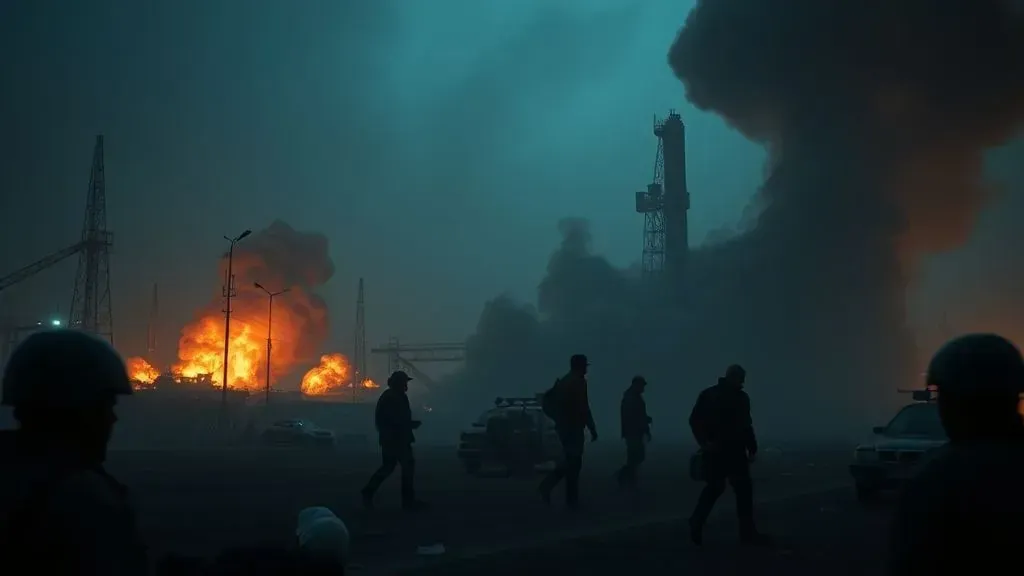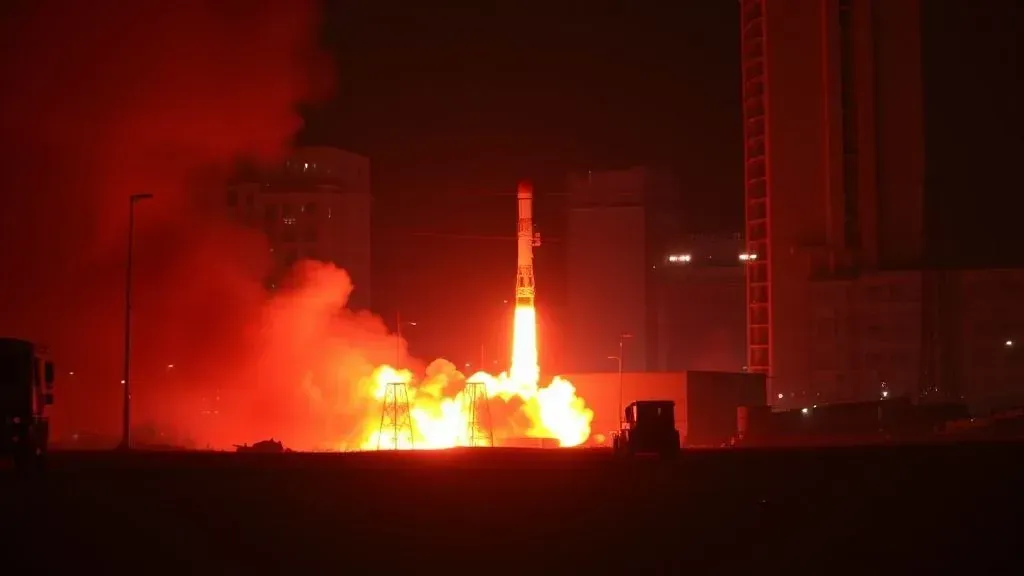
Recent reports confirm at least 14 people killed in fresh Israeli strikes across Lebanon. Ground operations continue to expand in southern areas targeting Hezbollah positions.
Israeli military actions follow renewed rocket exchanges tied to broader regional tensions.
Lebanese health officials note civilian impacts including damage to facilities in Tyre.
Escalating Ground Offensive in Southern Lebanon
Israeli forces have pushed into new positions establishing defensive buffers.
This follows months of airstrikes and limited incursions since early March 2026.
Evacuation orders cover southern suburbs of Beirut amid infrastructure strikes.
The conflict has displaced over one million Lebanese residents according to UN data.
Crypto Market Reactions to Geopolitical Risks
Bitcoin and Ethereum show short-term volatility with initial dips on escalation news.
Some traders view decentralized assets as potential hedges during uncertainty.
Oil price spikes from supply fears add inflationary pressure on global risk assets.
DeFi platforms see shifts in liquidity as investors seek 24/7 trading options.
Sanctions Evasion Highlights Web3 Challenges
State-driven crypto use for sanctions evasion has surged significantly per industry reports.
Funds support regional proxies including networks linked to Hezbollah financing.
This raises compliance questions for DeFi protocols handling cross-border flows.
Regulators worldwide monitor blockchain activity more closely in conflict zones.
According to Chainalysis analysis state actors leverage crypto at unprecedented scales for illicit movements.
Lebanon's Growing Crypto Adoption Amid Crisis
Lebanon's traditional banking collapse has accelerated digital asset usage for remittances.
Crypto trading volumes remain significant and growing despite ongoing instability.
Local officials engage with global exchanges to shape emerging regulatory frameworks.
Binance discussions with Lebanon's Economy Minister emphasize fit-for-purpose rules.
This positions Web3 as a potential stabilizer in high-inflation environments.
Broader Implications for regulation in 2026
The conflict underscores needs for robust AML measures without hindering innovation.
Long-tail terms like DeFi sanctions compliance gain traction among policymakers.
Prediction markets on platforms reflect real-time sentiment on escalation outcomes.
Israel's own crypto sector continues lobbying for balanced post-conflict rules.
Global coordination on terror financing via blockchain becomes a priority focus.
Actionable Insights for Web3 Participants
Monitor on-chain flows and regulatory announcements from affected jurisdictions.
Diversify holdings to manage volatility tied to Middle East developments.
Prioritize platforms with strong compliance tools for international operations.
Engage with evolving 2026 policy discussions on digital asset oversight.
Relevance Summary and Next Steps
This renewed conflict illustrates how geopolitics directly shapes regulation and crypto market dynamics.
Stakeholders gain value by connecting regional events to compliance strategies and investment decisions.
Stay informed through verified sources to navigate 2026 trends effectively.
Subscribe to neutral crypto analysis for ongoing educational updates on regulation impacts.
Disclaimer: This content is for educational purposes only based on publicly available information. It does not constitute financial investment or legal advice. Always perform independent due diligence before making decisions in volatile markets.