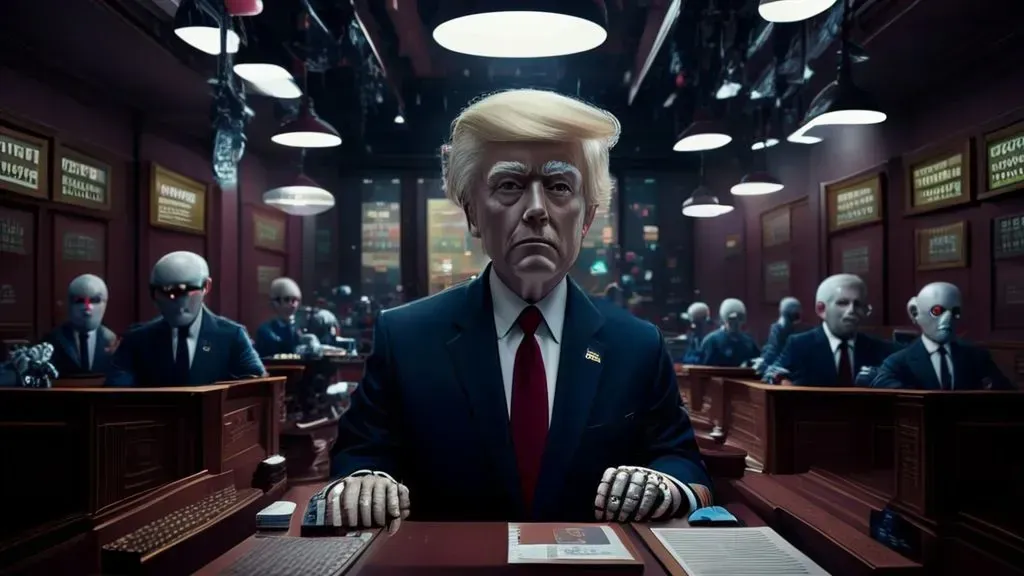
Recent surveys highlight the conflict's low public support. A CNN poll recorded 59 percent disapproval shortly after operations started.
This ranks among the least popular US military engagements at launch.
Conflict Launch and Initial Strikes
US and Israeli forces began targeted actions on February 28 2026. Strikes hit nuclear sites military leaders and infrastructure.
The move followed expired nuclear talks and a set deadline.
Trump's Public Updates on Objectives
President Trump stated core strategic goals near completion in his address. He projected mission wrap-up within two to three weeks.
Yet timelines shifted repeatedly with threats of further escalation.
Intelligence Assessments and Claims
Reports indicate confirmed destruction of roughly one third of Iran's missiles. Trump claimed elimination of the nation's navy and air force.
Analysts note ongoing adjustments to stated war aims since day one.
Diverse Source Perspectives
The Guardian detailed constant goal changes throughout the campaign. Reuters sources pointed to limited verified progress on key targets.
Such views underscore evaluation challenges in active operations.
Public Sentiment and Voter Concerns
Voters link the war to higher energy costs and economic strain. Opposition appears stronger than for prior conflicts at similar stages.
Social Media Reactions
Discussions often focus on market signals tied to the conflict.
Oil Market Disruptions
Strait of Hormuz issues drove sharp global oil price increases. The IEA released stocks to ease supply pressures.
Energy volatility affects inflation outlooks worldwide.
Crypto Market Responses
Bitcoin and Ethereum prices swung on war-related headlines. Liquidations topped hundreds of millions during key announcements.
Risk assets faced immediate sell pressure from uncertainty.
NFT Sector Volatility in 2026
NFT markets reflected the broader crypto downturn amid tensions. Valuations shifted with investor de-risking in early 2026.
Geopolitical events shape NFT trends through sentiment channels.
DeFi and Long-Tail 2026 Considerations
DeFi protocols saw varied activity during heightened risk periods. Terms like NFT portfolio hedging in 2026 conflicts gained attention.
Investors explore defensive strategies in digital assets.
Strategic Lessons for NFT Holders
Portfolio reviews help identify exposure to macro events. Diversification across stable DeFi options supports resilience.
Real-time monitoring of official statements aids timely moves.
Broader Relevance for Digital Investors
The case shows traditional geopolitics intersecting with crypto markets. NFT and DeFi participants benefit from cross-domain awareness in 2026.
Outlook and Potential Resolutions
Conflicting signals persist on conflict duration and outcomes. Markets await clearer indicators of de-escalation.
Relevance Summary and CTA
This situation equips NFT enthusiasts to better manage 2026 risks. Monitor verified updates and refine strategies accordingly.
Stay proactive with data-driven decisions for long-term value.
This article synthesizes publicly available reports from diverse outlets as of April 2026. It offers educational analysis only and does not constitute financial investment or trading advice. All market data and events carry inherent uncertainty. Readers must perform independent research and consult licensed professionals before any actions. Past trends do not guarantee future performance.