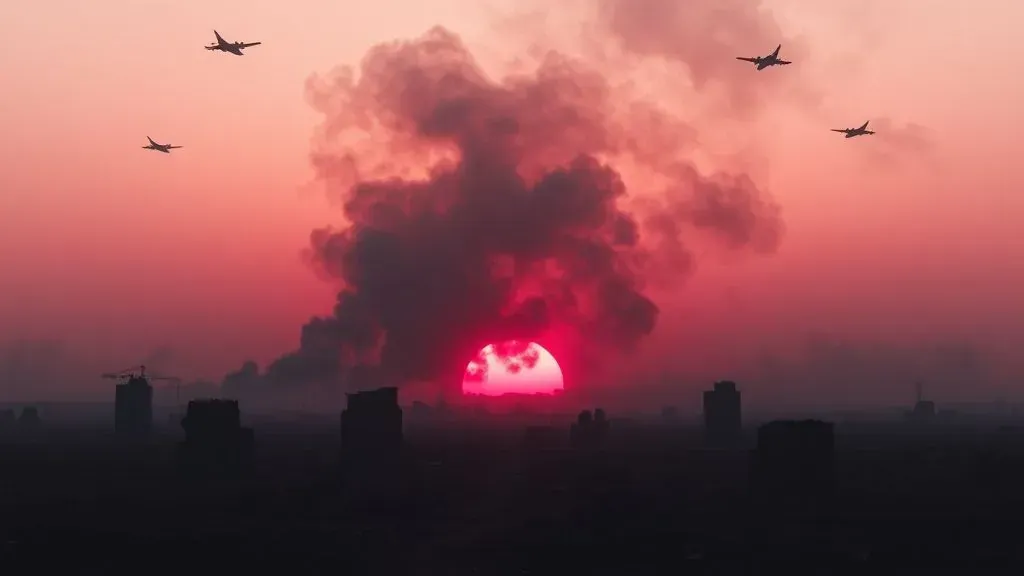
Ukraine has received over $212 million in cryptocurrency donations since Russia's invasion began, highlighting digital assets' role in conflicts.
Peace talks in Abu Dhabi enter their second day, focusing on territorial issues and security.
Analysts note geopolitical tensions often drive crypto volatility.
Current State of Peace Negotiations
Ukrainian negotiator Rustem Umerov described the first day as
substantive and productive.
He emphasized concrete steps toward resolution.
Russian spokesperson Dmitry Peskov stated that doors remain open for settlement, but forces continue until Kyiv decides.
According to Reuters, sticking points include eastern territories and guarantees.
The UAE hosts these trilateral discussions, involving US envoys like Jared Kushner.
Zelenskyy hopes for prisoner exchanges soon.
Crypto's Historical Role in the Conflict
Pro-Ukrainian groups used NFTs for fundraising, raising nearly $8 million.
Elliptic reports Ukraine obtained $190,000 in Ethereum-based NFTs directly.
Such innovations facilitated quick aid amid traditional banking limits.
Russia explored crypto to evade sanctions, prompting global scrutiny.
Chainalysis notes increased ransomware and hacktivist crypto use by pro-Russian entities.
Evolving Regulations in Russia
Russia plans comprehensive crypto rules by July 2027, per Anatoly Aksakov.
Retail investors face a $4,000 annual cap on purchases.
Qualified investors undergo risk tests with no limits.
The central bank will whitelist assets like Bitcoin and Ethereum.
Privacy coins like Monero get banned for AML reasons.
According to CoinDesk, this shifts from hostility to controlled adoption.
Cross-border stablecoin use gains encouragement.
This framework aims to prevent speculative excess.
#Implications for NFTs
NFTs served as war documentation and fundraising tools.
Ukraine's Meta History Museum sold NFTs featuring key war moments.
In 2026, peace could revive NFT interest in humanitarian causes.
Regulations may require clearer ownership proofs for tokenized assets.
Experts warn property rights for off-chain assets remain challenging.
UAE's Regulatory Moves
Dubai's DFSA banned privacy tokens and tightened stablecoin rules from January 2026.
This aligns with hosting peace talks, emphasizing compliance.
UAE positions itself as a regulated crypto hub.
Such measures reduce sanctions evasion risks.
EU approved a €90bn loan for Ukraine, tying economic aid to talks.
Market Impacts and Trends
Geopolitical risks threaten crypto prices, per CoinGape.
A peace deal might alleviate EU recession, boosting investments.
Tokenization accelerates, affecting NFTs and DeFi.
Regulatory clarity in Russia and UAE fosters adoption.
Investors monitor Polymarket odds on ceasefire timelines.
Ceasefire by March 2026 stands at 12-13%.
#Analyst Perspectives
IMF provides guidelines for crypto policies globally.
MiCA in Europe improves tracking and compliance.
According to the World Economic Forum, 2026 marks a defining moment for digital assets.
Interoperability pushes blockchain toward financial infrastructure.
Diverse sources stress balanced enforcement.
Future Outlook
Peace talks could ease tensions, stabilizing crypto markets.
Tighter regulations ensure safer NFT trading.
These events underscore how conflicts drive innovation in digital assets.
Stakeholders gain from verifiable, compliant frameworks.
The intersection of geopolitics and crypto regulation offers educational insights for investors.
Understanding these dynamics aids strategic decisions in volatile environments.