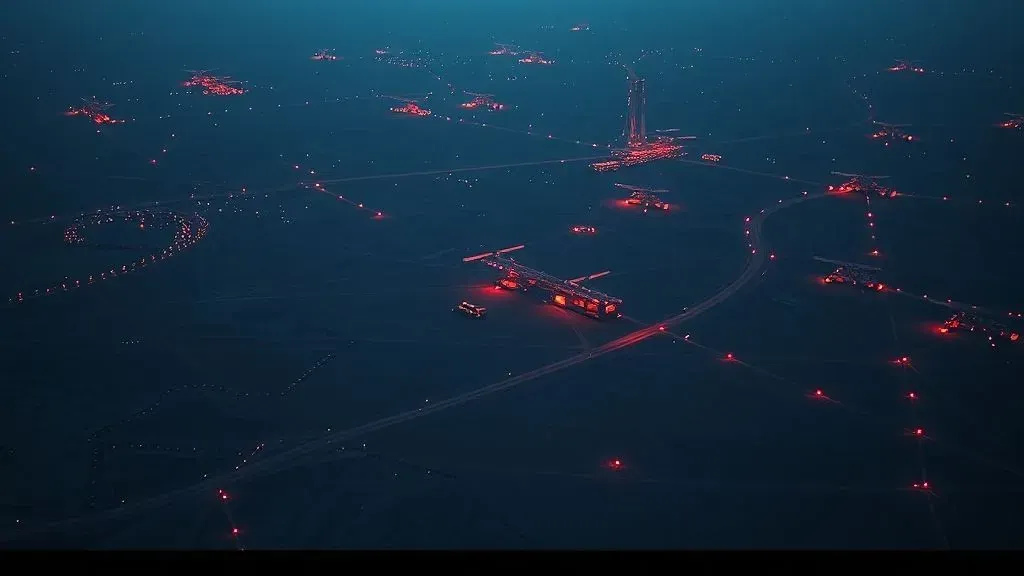
Over 1,000 Lebanese deaths and widespread displacement highlight intensified cross-border frictions entering late March 2026.
President Joseph Aoun condemned infrastructure targeting as a direct threat to national integrity.
Event Overview
Israeli forces struck the Qasmiyeh Bridge spanning the Litani River on March 22.
Smoke rose from the site near Tyre as a main north-south link sustained damage.
Additional crossings faced repeated hits in recent days.
Strategic Litani Context
The river lies roughly 30 kilometers from the Israeli border.
Officials note its role in regional connectivity and aid routes.
Destruction risks isolating southern communities per Lebanese accounts.
Lebanese Official Stance
Aoun described the actions as a dangerous escalation and clear sovereignty breach.
He warned they form a prelude to broader ground movements that Beirut has flagged diplomatically for weeks.
According to presidency statements carried by multiple outlets, the bridge campaign severs geographic ties.
This impedes humanitarian flows and aligns with suspected buffer zone strategies.
Israeli Operational Rationale
Defense Minister Israel Katz directed full demolition of Litani spans used in militant logistics.
The goal centers on halting Hezbollah fighter and arms relocation southward.
Katz further ordered accelerated clearance of frontline housing to neutralize threats to Israeli border areas.
Parallels to prior buffer efforts surfaced in briefings.
Military Developments on Ground
IDF raids located rocket caches and other arms at Hezbollah assembly points.
Over ten militants died across operations with no reported Israeli losses.
Givati Brigade units engaged targets in firefights and coordinated air support.
Tank fire neutralized additional threats during Saturday engagements.
Broader Conflict Timeline
Hostilities intensified after March 2 rocket exchanges linked to wider regional triggers.
Lebanese health data tracks nearly 1,029 fatalities including civilians.
Evacuation notices displaced hundreds of thousands with over one million affected overall.
Hezbollah claimed responses targeting Israeli positions near border villages.
International law and Angles
Aoun urged immediate global intervention to enforce established sovereignty protocols.
Observers link the episode to ongoing debates on 2026 cross-border regulatory enforcement mechanisms.
Calls emphasize adherence to UN frameworks governing infrastructure protection in active zones.
This highlights needs for stronger diplomatic regulatory coordination amid rising risks.
Potential Buffer Zone Implications
Targeting aims to limit southern access and reshape territorial realities.
Analysts note patterns resembling prior containment approaches in adjacent theaters.
Humanitarian delivery faces new hurdles if links remain severed.
Aid organizations monitor access routes closely for compliance updates.
Analyst Perspectives Synthesized
Reuters reporting frames orders as preventive against militant mobility.
Jerusalem Post details weapon seizures confirming tactical intelligence.
Al Arabiya coverage stresses collective impact descriptions from Beirut.
Diverse outlets converge on escalation risks without unified resolution outlook.
2026 Geopolitical Risk Trends
Events underscore volatility in Middle East stability metrics.
Regulatory bodies weigh enhanced oversight on conflict-driven economic spillovers.
Long-tail monitoring includes international compliance audits for aid corridors.
Stakeholders assess effects on broader global governance standards.
Actionable Insights for Monitoring
Track UN Security Council sessions for formal responses.
Review official channels from Beirut and Tel Aviv for policy shifts.
Cross-reference verified defense announcements daily.
Maintain awareness of aid agency briefings on ground realities.
This situation illustrates how localized infrastructure disputes test international regulatory resilience in 2026.
Readers gain clearer context for evaluating stability indicators affecting decision frameworks.
Subscribe for ongoing neutral breakdowns of high-impact developments.
Share verified sources to foster informed discourse on regulatory preparedness.
Disclaimer: This educational analysis draws solely from public reports by Reuters, Al Arabiya, Jerusalem Post and aligned outlets as of March 22, 2026. It offers no predictions, advice or endorsements. Facts remain subject to verification and evolution.