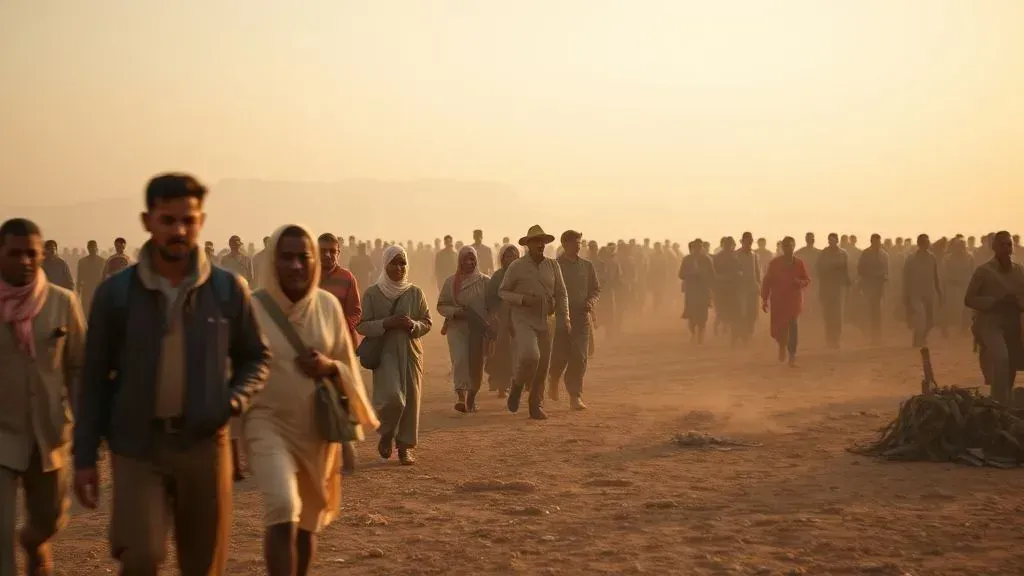
Around 3000 worshippers gathered for dawn prayers at the Al-Aqsa Mosque compound on April 9 2026. This followed the end of a 40-day closure imposed amid broader Middle East developments.
The site had been largely inaccessible to the public since February 28. Many participants showed visible emotion upon returning.
Closure Context and Reopening Process
Israeli authorities linked the ban to a state of emergency after joint operations with the United States. Only essential staff maintained limited presence initially.
Officials announced the reopening Wednesday evening citing updated Home Front Command instructions. Hundreds of police secured the Old City and access routes.
The Islamic Waqf Department confirmed doors would open to all worshippers from dawn.
Settler Entry After Reopening
Israeli settlers accessed the courtyards shortly after worshippers arrived. Police cleared sections to allow entry starting at 630 am per new protocols.
Reports indicate the groups conducted tours without altering established practices. This occurred under heavy security presence.
According to Israeli police the measures focused on securing visitors at the holy sites.
Access Trends in Recent Years
Over 65000 settler visits were recorded at the compound throughout 2025. Figures highlight a sustained pattern of activity.
The April 9 incident fits within observed dynamics during transitional periods.
#Status Quo Framework at the Site
? The compound administered by the Jordanian Waqf serves as a key religious focal point. Non-Muslim visits proceed daily under restrictions prohibiting prayer.
This arrangement aims to accommodate multiple faith traditions sharing the location.
Al-Aqsa ranks as Islam's third holiest site after Mecca and Medina.
For Jewish tradition the area corresponds to the ancient Temple Mount.
Implications for Jerusalem Stability
Analysts note risks when access shifts rapidly at contested holy places. Regional voices stress preserving historical protocols.
The event occurs against ongoing geopolitical tensions affecting the area.
In summary the reopening and immediate settler entry reflect persistent challenges in managing shared sacred spaces in 2026. This underscores the delicate balance required for all communities.
Stay informed by consulting multiple verified outlets on Jerusalem developments. Engage with factual reporting to build a clear understanding of evolving site dynamics.
Full disclaimer This analysis synthesizes publicly reported facts from established sources as of April 9 2026. It serves educational purposes only with neutral presentation. No positions are endorsed and readers should cross-check primary reports for updates.