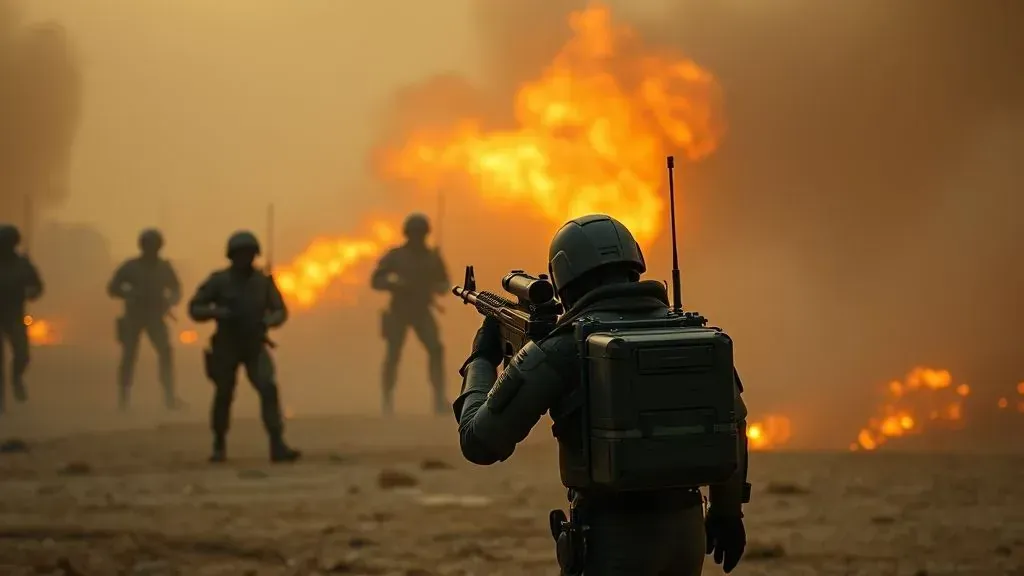
Iranian missiles struck Qatar’s Ras Laffan LNG hub, sidelining 12.8 million tons of annual capacity. Officials confirm repairs will take three to five years.
This creates the first major interruption to Qatar’s output in decades and threatens supplies to Europe and Asia.
Energy Shock Reshapes Global Markets
Qatar accounts for nearly 20% of worldwide LNG exports. The 17% capacity loss tightens markets and drives spot prices higher.
Europe and Asian buyers now scramble for alternatives from the US and Australia.
According to QatarEnergy CEO Saad al-Kaabi, the attacks knocked out 17% of operating capacity and will cause an estimated $20 billion in lost annual revenue.
[ TWITTER_EMBED: 2034405113444389177 ]
Direct Impact on Crypto Mining Operations
Higher energy costs from LNG shortages hit gas-dependent grids in the Gulf region. Miners in the UAE and nearby areas face rising electricity expenses.
Bitcoin mining profitability, measured by hashprice, already fell to record lows earlier this year. Further pressure could slow new facility builds.
Analysts tracking the sector warn that crude oil above $100 per barrel directly squeezes margins for public miners like Riot Platforms and Marathon Digital.
[ TWITTER_EMBED: 2034671322626703766 ]
Mining Resilience and Efficiency Gains
Operators are accelerating shifts to renewable sources and efficient hardware. This trend supports long-term crypto infrastructure growth.
Gulf-exposed hashrate represents roughly 8-10% of the global network, per specialized reports.
Crypto adoption Trends in the 2026 Energy Crisis
Volatility from energy shocks pushes institutional investors toward Bitcoin as a hedge asset. This dynamic strengthens narrative adoption in uncertain times.
DeFi platforms for energy derivatives and tokenized LNG contracts see increased interest as traders seek decentralized risk tools.
Analysts observe that prolonged inflation from the supply crunch could make Bitcoin behave more like a traditional hedge, diverging from risk assets.
Opportunities for Blockchain in Energy Trading
Blockchain solutions for transparent supply tracking gain traction among energy firms. This accelerates enterprise of crypto technologies.
Retail users in affected regions turn to stablecoins for remittances amid rising costs.
The event highlights crypto’s fixed-supply appeal compared to disrupted physical commodities.
Strategic Considerations for Investors
Monitor LNG contract force majeure declarations and oil price movements closely. These signals inform timing for mining stock or BTC exposure.
Diversify into efficient miners and DeFi energy plays to mitigate volatility.
In summary, Iran’s strike on the Qatar gas facility creates a multi-year supply reduction that directly influences crypto mining economics and broader adoption patterns in 2026. Energy market resilience now shapes digital asset strategies more than ever. Track real-time developments to position effectively. This article provides educational analysis only and is not financial advice. All facts draw from verified reports by Reuters, QatarEnergy, and industry analysts as of March 2026. Conduct your own due diligence before any investment decisions.