
Cambodia Warns: Thai Bombs Endanger Displaced Civilians and Tourist Sites
Date Published
Recent border conflicts between Cambodia and Thailand have displaced over 800,000 people, marking one of the worst humanitarian crises in the region this decade. Officials report at least 31 fatalities from renewed fighting, highlighting the urgent need for de-escalation. This surge in violence stems from long-standing territorial disputes over ancient temple sites.
Background of the Thailand-Cambodia Border Dispute
The feud traces back to colonial-era border demarcations from the French occupation of Cambodia. Tensions flared in 2008 when Cambodia sought UNESCO status for the Preah Vihear temple, sparking protests and clashes in Thailand.
Sporadic fighting has persisted, with each nation accusing the other of aggression over poorly defined frontiers spanning 500 miles.
Recent Escalations and Cambodian Warnings
In December 2025, hostilities resumed after a brief truce, with Cambodia claiming Thai airstrikes targeted areas far from the border. A Thai fighter jet reportedly bombed near a civilian camp in Siem Reap province, forcing hundreds of displaced families to flee again.
Cambodia's defence ministry issued warnings about risks to displaced populations from ongoing Thai bombardments.
According to Information Minister Neth Pheaktra, this marks the furthest incursion into Cambodian territory during the current clashes. He emphasized that Siem Reap, previously untouched, now faces direct threats from aerial attacks.
Thai officials counter that their actions respond to Cambodian provocations, including rocket fire on civilian areas.
Impact on Displaced Populations
Fighting has uprooted around 800,000 individuals, with reports of 250,000 in Thailand and nearly 400,000 in Cambodia seeking shelter. Evacuations continue as shelling targets border provinces, leaving communities vulnerable to unexploded ordnance and cluster bombs.
Demining operations have begun in some areas post-ceasefire attempts, but risks remain high for returning refugees.
One high-engagement post highlights the displacement crisis and calls for awareness of explosive dangers.
Another account details over 200,000 Cambodians displaced by Thai actions, questioning the lack of evidence for threats.
Threats to Tourist Hotspots
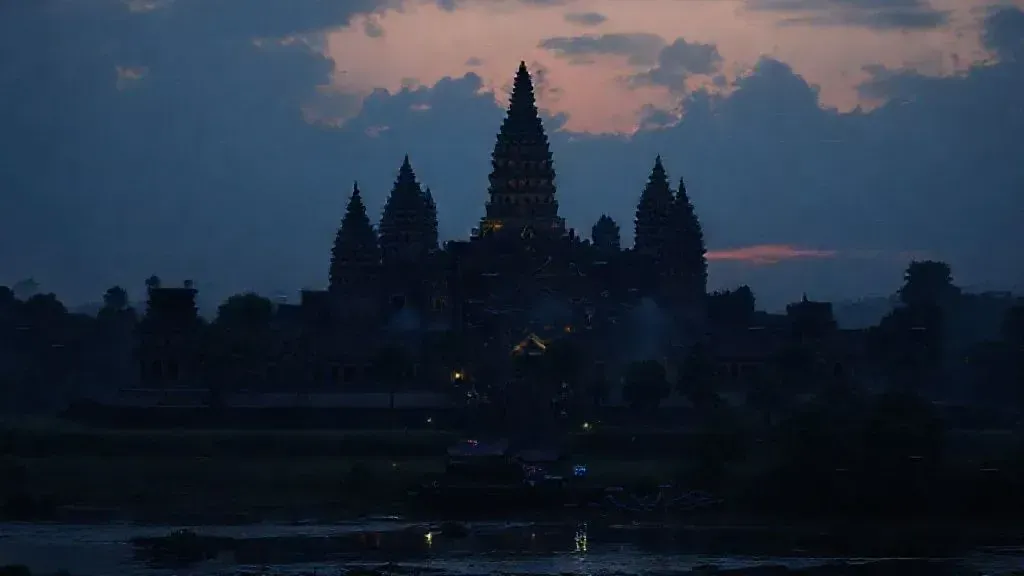
Siem Reap province, home to the UNESCO-listed Angkor Wat, now lies in the conflict's shadow. Bombings occurred less than two hours' drive from the temple complex, prompting fears for this major revenue source.
Tourism, still recovering from pandemic setbacks, has seen a 17 percent drop in Angkor ticket sales this year.
Chhay Sivlin, head of the Cambodia Association of Travel Agents, notes that news of strikes in Siem Reap causes booked visitors to cancel or postpone trips. She stresses the worry among tourists amid reports of deep territorial bombings.
Border closures have blocked crossings, forcing travelers to reroute via Vietnam or Laos.
International Response and Mediation Efforts
The UN Security Council convened an emergency meeting as casualties mount. US President Donald Trump brokered a prior truce, but Thailand paused implementation citing security concerns.
Thailand's Prime Minister Anutin Charnvirakul affirmed his government's resolve to continue defending its positions.
Malaysia assisted in peace talks, but rejections of mediation from the US and China signal potential for full-scale war.
Accusations fly, with Cambodia alleging toxic substance use and Thailand claiming banned mine deployments by opponents.
Economic and Humanitarian Implications
The conflict disrupts trade, with bans on imports and potential fuel export cuts from Thailand. Displaced groups face shortages in temporary camps, urging aid organizations to prioritize education on ordnance risks.
Tourism-dependent economies suffer, as hotspots like Angkor draw millions annually but now deter visitors.
Analysts warn that prolonged fighting could exacerbate regional instability, affecting ASEAN unity.
Governments must enforce ceasefires to protect civilians and preserve cultural heritage sites.
This border crisis underscores the fragility of Southeast Asian peace amid historical grievances. It highlights the need for diplomatic resolutions to safeguard displaced communities and vital tourist economies from further harm.


